 Projects
First and foremost, I am a human - a father, son, brother, and friend. Along the way,
I've become a painter, graphic designer, and UI/UX designer.
Here are some of my design and UI/UX works from the past 22 years.
After graduating in Painting from the Faculty of Applied Arts in Belgrade and earning a Bachelor of Arts (BA) degree, I developed a strong interest in digital media. A close friend of mine, who was already working as a developer, encouraged me to explore web and graphic design. I took his advice and chose that path.
The transition from painting on canvas to working with Adobe Photoshop, Illustrator, HTML, and CSS was not easy. At the time when Macromedia Flash was popular, I was also involved in animation.
Working closely with developers required me to learn the basics of JavaScript and to implement design across various environments, including ASP.NET (MVC/Core), Angular, React, Apache Cordova, Android, Xamarin, Vue, PHP, and WordPress. I also learned how to create prototypes using tools such as Figma and how to work with modern UI frameworks like Bootstrap, as well as CSS preprocessors such as Sass and Less.
Over time, things became easier. With each project, I refined my skills and gained new knowledge. Today, I primarily work as a UI/UX Designer, though I also create logos, graphic designs, and digital paintings. And of course, in my limited free time, I still love painting on canvas.
My portfolio
It is not necessary for the public to know whether I am joking or whether I am serious, just as it is not necessary for me to know it myself.
UI Design services mainly concerns itself with the aesthetic elements of design, ensuring visually appealing, pixel-perfect digital solutions. UX services are most often engaged into user interactions with an application, focusing on creating clear and easy-to-navigate interfaces for an optimized user journey. These are some of the areas where I can help.
My approach to designing the UI of web or mobile applications is that it is not enough just to look nice but also perform well in terms of user experience, functionality and search engine optimization.
A UX audit is a service that evaluates the user experience (UX) of a website. It involves analyzing the website's design, functionality, and content to identify areas of improvement that can enhance the user's overall experience.
Design thinking is a problem-solving approach that emphasizes empathy, creativity, and collaboration. It involves understanding the needs and perspectives of users, identifying and defining the problem, generating multiple possible solutions, prototyping and testing those solutions, and iterating based on feedback.
Wireframing is a vital step in web design where a visual representation of a website's structure is created. It focuses on layout and user experience, using basic shapes and lines to outline elements like headers, menus, and content sections. Wireframes establish the website's architecture and functionality, facilitating communication between designers, developers, and clients.
Aesthetics in web design focus on the visual appeal of a website, incorporating elements like colors, typography, images, and layout. It aims to create an engaging and visually pleasing user experience that reflects the brand identity and purpose of the website.
After a design proposal is approved, the next step is the implementation of the design. Design implementation is the stage in the software engineering process at which an executable software system is developed.
Software design and implementation activities are interleaved and UI Design should be related to the implementation environment. I always try to implement the design using the best practices that enable the application to be used easily and intuitively on different devices.
Also, I apply similar rules when it comes to redesign applications. The final goal is always one, to improve the user experience and use of the application by applying the best solutions and responsive design.
Logo design is the art of creating a visual symbol that captures a brand's identity and differentiates it. I try to create successful logos when carefully mixing typography, color theory and graphic elements to communicate each brand's essence, values and personality to the marketplace.
Logos are often combinations of a wordmark such as the company's name with a graphic symbol or mark. The other features to consider in the logo design of a company are typography and color choices. How the letters of the company name appear and the associated colors are essential ingredients to convey a brand's message.
When I start creating the concept of a logo, I always like to first hear what the client's ideas are, how he would like the logo to look and what message he wants to convey. Also, important information is which existing logos or symbols the client likes. I add my creative experience to all that and create several versions of logos. The version that the client likes the most, I later elaborate in detail, precisely draw and prepare versions of the logo for all different ways of use.
Graphic design is the craft of planning and creating visual content to communicate ideas and messages. Graphic design is everywhere you look in the digital age — from billboards to cereal boxes to mobile apps. Through incorporating different elements and principles, these designs can influence our perception and emotions.
Graphic design is also known as communication design, and Graphic Designers are essentially visual communicators. They bring visual concepts to life, most commonly through graphic design software, and inform or engage consumers through text, graphics and images.
Graphic design is one way that companies connect with consumers. Design can be used to promote and sell products, to convey a message, or to develop a brand identity.
Digital art is any artwork that draws upon digital technology as an essential part of its creative process. It encompasses a wide range of techniques, from digital drawings, paintings, and illustration, to photos, videos, and even sculpture. All can be classed as digital art, so long as they're created, enhanced, or exhibited digitally.
Digital painting uses the same process as painting traditionally, with something like oil or acrylic paints, but done using a computer, a graphics tablet and digital painting software instead, leading it to sometimes be called electronic painting.
Digital painting is very similar to traditional painting, just within a virtual, electronic setting. You use a selection of brushes, a color palette and a canvas - you pick a brush, pick a color from the palette, and then place brushstrokes down on the canvas.
Several interesting projects that clearly demonstrate both design concept and design implementation skills.
To create pixel-perfect designs, we start from scratch, or maybe with some rough sketches, and later we try to make pixel-perfect high-fidelity UI designs out of it. The process of creating amazing and aesthetic UI design is called the UI design process.
The UI design process generally includes a few steps that make designing enjoyable. Having a perfect blend of great user experience and aesthetic user interfaces makes the product distinct and stand out.
We always start with a basic idea around which we build a creative concept. Thereafter, sketches follow, which are rough, informal drawings used to explore ideas and can be created using either traditional hand-drawn methods or digital tools. This is how we arrive at wireframes, which represent schematic layouts that define the structure and functionality of a UI.
Creating quality designs and mockups are detailed visual representations that faithfully depict the final design. We always take care to create a design that we can faithfully implement as the UI of the application. If necessary, we also create other supporting design elements such as icons, decorative visual images, photografy or illustrations.
A mobile-friendly application with responsive design is a feature of adapting to any device and screen size, for both desktop and mobile devices. This means the various components of the website change depending on the device you are using. Images and text adapting in size, content layout adjusting to each screen and menus switching formats for improved visualization.
I always try to create an SEO-friendly web app that is strategically crafted to align with the algorithms and ranking criteria of the world's most popular search engines. The objective is clear: to maximize the application's internet visibility, improve its discoverability, and eventually draw in a larger and more focused user base.
The team consists of me as a UI/UX designer - who takes the lead in this case - and me as a painter, contributing to the creative process :)
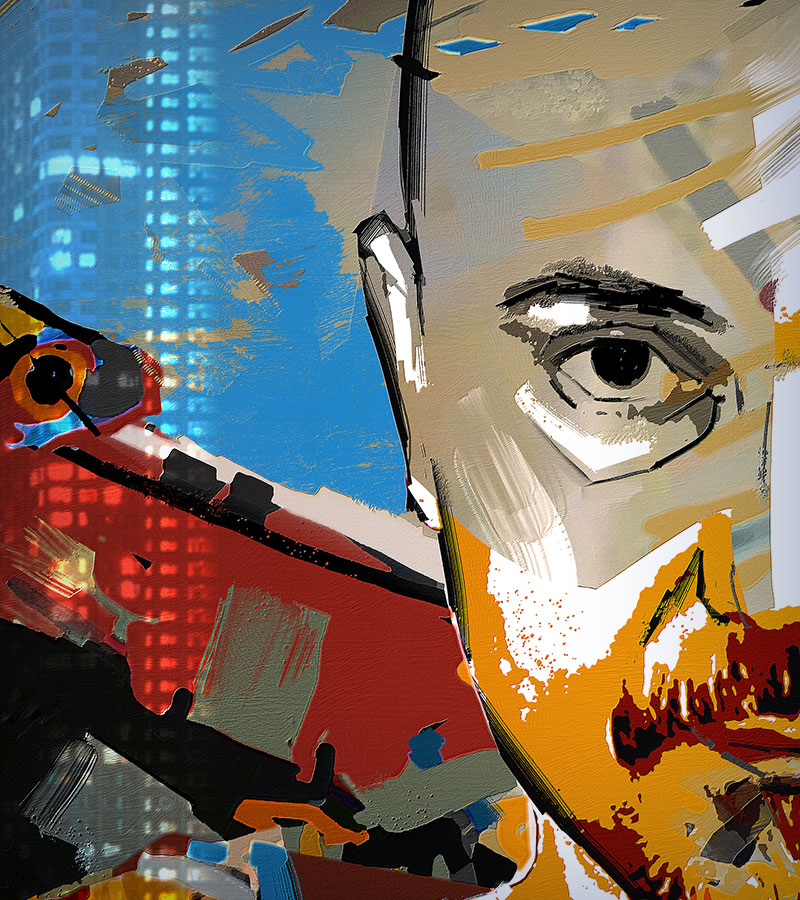
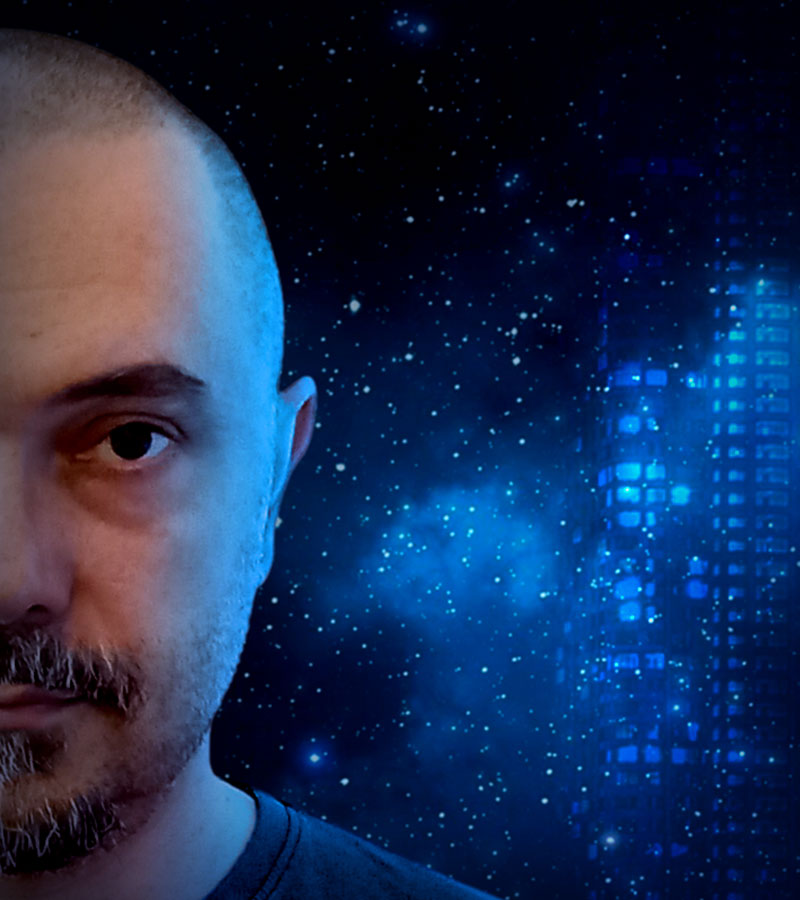
My clients mostly praise me for great results, personable service,
expert knowledge and on-time delivery.
Here are what just a few of them had to say:
"Working with Vladimir on our website redesign was a great experience. He refined our initial ideas and turned them into a clean, modern design that truly represents our brand. He paid attention to both visuals and user experience, and the final result exceeded our expectations. I would definitely recommend him."
"Great Job from Vladimir. A valuable partner in shaping and refining the product experience. Complex ideas were transformed into intuitive, well-structured interfaces that feel natural to users. Strong design thinking combined with reliability and professionalism. I recommend him!"
"An outstanding UI/UX designer who truly understands user behavior and product flow. The suggestions and refinements brought real clarity to our platform and noticeably improved usability. Detail-oriented, proactive, and committed to delivering quality work. Would absolutely collaborate again."
"Vladimir has been a great Graphic Designer. He even went out his way to redo some areas, and provided me items to think on for my graphic designs, which I believed improved the overall outcome for the design. I would look to rehire him if the opportunity ever comes up. It was great to work with someone who wants to help you get things right."

"Delivered a strong, thoughtful brand identity with multiple well-developed concepts to choose from. The strategic input helped shape a clearer direction and strengthened the final result. Professional, collaborative, and easy to work with throughout the entire process."
"Very knowledgable, gives his best effort and most importantly is very easy to work with him. I am very grateful for the work we did together and would definitely recommend!"